Tennessee is home to many different architectural styles. Not only will homes across other Middle Tennessee cities and neighborhoods have different kinds of siding, layouts, and finishes, but even the chimneys can differ from house to house. If you’re restoring your home’s chimney, you want to know what chimney style is right for your next home, or just want to know what benefits different chimneys offer, we’ll explore some of the common chimneys you’ll find in our area:
- Masonry Chimneys
- Metal Chimneys
- Prefabricated Chimneys
- Fireplace Insert Chimneys
- Wood Burning Stove Chimneys
What Are Masonry Chimneys?
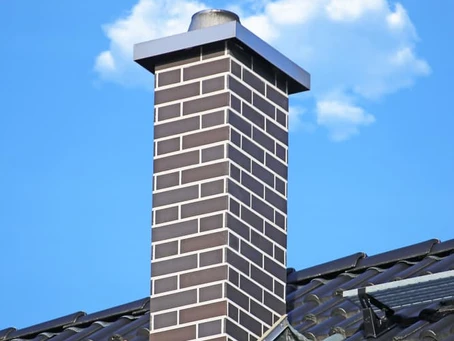
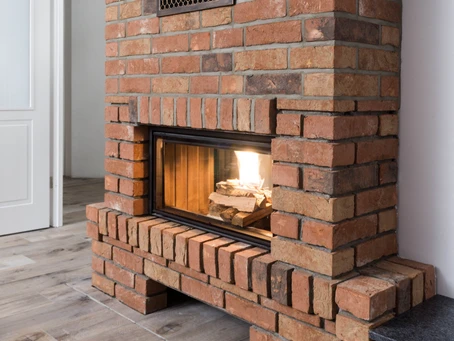
Masonry chimneys are constructed from blocks, brick, and stone, and held together with weather-resistant mortar. Builders construct these chimneys on-site to make them part of the structure, typically a residence. The materials can handle exposure to medium levels of heat, and they are designed to generate a draft that fuels the fire at the bottom of the chimney and simultaneously directs smoke out of the home.
Benefits of Masonry Chimneys
Some of the key benefits of masonry chimneys include:
- Durable materials that are built to last for decades with minimal maintenance or repair demands
- Reliable structural integrity and cohesion with the building
- Simplicity of operation
- Good airflow and air quality
What Are Prefabricated Chimneys?
Prefabricated chimneys are built in an offsite factory. Homes with prefabricated fireplaces have prefabricated chimneys, and they are the most popular choice for newer homes. These chimneys are built with a metal flue pipe made from stainless steel and/or galvanized steel sheets, and they can accommodate both wood and gas-fueled fires.
Benefits of Prefabricated Chimneys
Key benefits of prefabricated chimneys include:
- Speed of installation
- Cost-effectiveness
- Compatibility with different fire types
- Can last between ten and twenty years
What Are Fireplace Insert Chimneys?
Fireplace inserts are heat-resistant boxes that draw in air from outside the home to fuel fires. Fireplace insert chimneys complement these inserts to work with existing masonry fireplaces. They essentially line the existing masonry fireplace to connect exhaust smoke and gas from the insert through the chimney and outside.
Benefits of Fireplace Insert Chimneys
Key benefits of fireplace insert chimneys include:
- Convenient installation inside an existing masonry fireplace
- Reliable venting of waste gasses outside the home
- Aesthetically pleasing
What Are Wood Burning Stove Chimneys?
These chimneys connect to a wood-powered stove and support a continual air flow across the fire. Heated air flows through the chimney, creating a draft that pulls combustion air toward the fire, releasing more exhaust air into the chimney and out of the home.
Benefits of Wood Burning Stove Chimneys
Benefits of wood-burning stove chimneys include:
- Efficient control of a wood-burning fire
- Custom options: These chimneys can be insulated for more efficiency with less heat around the chimney
- Protects indoor air quality by directing smoke and waste gasses outside the home
- Can heat up to 3000 square feet
- The output of consistent heat up to 12 to 16 hours with minimal amounts of wood
Maintain Your Chimney or Replace Your Chimney — Call Chim Chimney Today!
No matter what type of chimney is in your home, the experts at Chim Chimney can restore, repair, or inspect it, so it’s in safe operating condition for the next season. Contact us today to schedule an appointment in Nashville, Franklin, Dickson, Clarksville, Mt Juliet, or the surrounding areas today!
Nashville, Tennessee, is home to long, cold winters, and there’s nothing better than a warm fire to stave off chilly winter weather. But the type of wood you use to light a fire is very important, as wet wood can be smoky and add layers of soot and creosote inside your fireplace. If you love looking forward to a warm fire in the evenings, it’s always firewood seasoning time. At Chim Chimney, we’re the local experts in chimney repairs, maintenance, and safety, and our team is here to help our clients safely enjoy fires at home. Use this handy guide to season and store firewood properly. Not only will well-seasoned firewood burn better, but it also helps keep your chimney in better condition.
The Importance of Properly Seasoning Your Wood
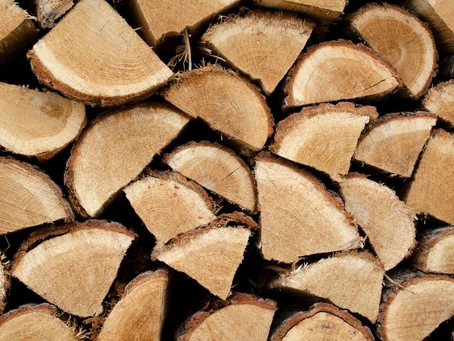
‘Seasoning’ wood is the process of drying out timber and wood so it’s ready to be safely burned in a fireplace or chimney. When wood is freshly cut, there’s still a lot of water within the cells. This unseasoned wood will produce a lot of smoke if you burn it. Also, sticky dark soot and tar—called creosote—will coat the inside of your flue. Creosote is dangerous because it can ignite in high heat or from stray sparks, increasing your risk of a chimney fire.
Instead of using this green wood, you can systematically dry the wood so the moisture leaves uniformly. To properly season your wood, stack it in a sheltered nook or pile where rain and snow can’t reach it. Try to stack the wood in an alternating pattern so there’s plenty of airflow around the wood, with minimal risk of trapped moisture and potential rot. Proper firewood seasoning time can require over a year of exposure to the air. Want to know how to season firewood fast? You can shorten this time by rotating the wood to facilitate more airflow, storing it in a dry environment, and cutting very thick logs in half.
Poorly seasoned firewood may still have water and moist sap inside of it. This will lead to more smoke and hissing.
The Importance of Firewood Storage
Proper storage is especially important when the wood is still seasoning or drying out. It needs plenty of air, time, and protection from the rain. But even once the wood is properly seasoned, it’s important to have a strategy for storing your wood. Store your firewood following these key tips;
- Keep it dry by storing it in a shed or under a roof.
- Stack it loosely so air can flow around it. This also gives pests fewer opportunities to infest the wood.
- Make it easy to reach the older wood first, as it will generally be the driest.
- Don’t stack the firewood directly against your home. This can increase the risk of carpenter ants or termites infesting your home’s walls. Instead, ensure your sheltered wood storage area is several feet away from the perimeter of your home.
Importance of Regular Wood Stove and Fireplace Inspections
Burning the right type of wood is important. If you can, opt for hardwoods and clean burning woods like oak, and always make sure your firewood is properly seasoned. However, even with proper fuel, your chimney and flue can become filled with soot or creosote over time.
Schedule an annual cleaning and inspection appointment for your chimney or wood-burning stove. During this appointment, a professional chimney inspector can check for creosote buildup, hazards, and potential damage from wear and tear or the elements. By proactively scheduling inspections and staying on top of small repairs and maintenance tasks, you can reduce the risk of fires and expensive repairs.
Choose Chim Chimney for Wood Burning Stove and Fireplace Inspection and Maintenance Services
When it’s firewood seasoning time, it’s chimney inspection time. The team at Chim Chimney serves homeowners in and around Nashville with comprehensive chimney maintenance and repair services. Reach out today to schedule an appointment.

Fireplace fireboxes are directly exposed to high-temperature flames whenever you light a fire. Over time, your home’s firebox fireplace can crack, wear down, or become so coated with soot and creosote that it presents a fire hazard. Learn more about what a fireplace firebox is, the different types of fireboxes in your area, and how Chim Chimney can replace or repair your firebox to get your fireplace back in working order.
What Is a Fireplace Firebox?
Your fireplace’s firebox is the inner section of your fireplace that holds the fire and opens out to the room. Along with the opening at the front and the top (which leads to the chimney), your firebox will have three strong walls that help to contain and shape the fire.
This structure insulates the nearby walls and structures from a fire’s heat and flames to eliminate the risk of heat damage. It is a core piece of what makes a home’s chimney system safe and easy to use. Whether you are building a fireplace in your home or want to ensure your current one is in safe operating condition, paying particular attention to the firebox is crucial.
Firebox vs. Fireplace
When most people think of the parts of the chimney system they can see inside their homes, they picture the fireplace. The fireplace is made up of multiple elements in the system, including the firebox itself, the hearth in front of the firebox, the mantel above it, and the facing that helps give all the separate pieces a cohesive look.
Your firebox is just one part of that system. It opens out to your living area and connects to the flue liner and the chimney flue. While you might use the words interchangeably as a homeowner, it is important to know the difference when working with a fireplace and chimney repair service to know exactly what services you’re getting.
Types of Fireboxes
Different buildings have different firebox fireplaces based on age, architectural style, and other home factors. The four most common firebox types are masonry, prefabricated, decorative, and steel. Read these brief descriptions of the different types so you can identify the type in your home or choose the right fit for your next project:
Masonry Firebox
These traditional fireboxes are made from bricks, stones, or other blocks, stacked tightly together, and bonded with refractory mortar. This construction is solid and built to withstand extreme fireplace temperatures for years or even decades of use with minimal repairs. Masonry fireboxes are often designed specifically for wood-burning fires.
Prefabricated Firebox
Factory-built fireboxes are identical to masonry fireplaces but are built separately before being assembled and installed in a home. However, while masonry fireboxes are built from brick or stone, prefab fireboxes are constructed with metal or other refractory materials that aren’t as long-lasting. Prefabricated boxes are more vulnerable to cracking and need to be replaced sooner than masonry fireboxes.
Decorative Firebox
Decorative firebox fireplaces are prefabricated fireboxes with a patterned ceramic surface designed to mimic the look of masonry fireboxes. They can give a more traditional fireplace aesthetic and are built to withstand heat and fire.
Steel Firebox
Steel fireboxes are an alternative to traditional fireboxes and can be installed in brick chimneys. However, they are vulnerable to rust and tend to require faster replacement than other firebox options.

Professional Firebox Fireplace Construction in Hermitage, TN
At Chim Chimney, we specialize in fireplace firebox construction and firebox replacements so you can come home to a safe, cozy fire. Contact us today to learn more about our services or to schedule a service appointment. We also offer firebox repair, inspections, and chimney sweeping services for Hermitage, TN, homes, and buildings.
As the warmth of spring approaches and the chill of winter slowly fades away, many homeowners are starting to shift their focus away from cozy fireplace nights. However, this is the perfect time to think ahead and consider servicing your fireplace. Servicing your fireplace at the end of the season might not be the most intuitive choice, but it can be a strategic move that ensures a seamless transition when the colder months roll around again. Let’s explore the benefits of taking care of your fireplace during the off-season.
- Beat the Rush: Come fall and winter, fireplace servicing appointments tend to skyrocket as everyone rushes to prepare for the cold. By scheduling your maintenance at the end of the season, you avoid the seasonal rush and secure a convenient time for your fireplace to be serviced. This means you won’t have to wait weeks for a technician to inspect your fireplace when you’re ready to light the first fire of the season.
- Optimal Performance: Regular fireplace maintenance is essential for optimal performance. Soot, debris, and creosote can accumulate in the chimney and flue, leading to reduced efficiency and potential safety hazards. Servicing your fireplace at the end of the season ensures that it’s in top condition when you need it, allowing for efficient burning and minimizing the risk of issues like poor draft or smoke problems.
- Extended Lifespan: Just like any other appliance, fireplaces benefit from regular care. Servicing at the end of the season can help identify and address minor issues before they escalate, potentially extending the lifespan of your fireplace. Small repairs and adjustments made during the off-season can prevent more significant problems down the road, saving you both time and money.
- Safety First: Safety should always be a top priority when it comes to heating appliances. A thorough end-of-season service includes inspecting the entire fireplace system for any signs of wear, damage, or potential hazards. This proactive approach ensures that your fireplace is safe to use and reduces the risk of fire incidents or harmful carbon monoxide leaks.
- Peace of Mind: Knowing that your fireplace is in excellent condition provides peace of mind. Instead of worrying about whether your fireplace will function properly when you need it, you can relax and enjoy the warmth and ambiance it brings to your home.
Servicing your fireplace at the end of the season is a smart and strategic decision. By addressing maintenance during the off-season, you not only ensure a hassle-free experience when colder weather returns but also contribute to the longevity and safety of your beloved fireplace. Don’t wait until the last minute—schedule your end-of-season fireplace service and embrace the upcoming seasons with confidence and warmth.
Keep your Nashville home cozy this fall and winter with chimney safety tips from the experts at Chim Chimney. Seasonal maintenance is vital to chimney safety so you can minimize the risk of soot buildup and damage. Before you light your first fire this year, learn how to check if your chimney is safe and act on these chimney safety tips. For repairs, creosote removal, or to have a professional look your chimney over, schedule an appointment with Chim Chimney.
Wood Fireplace Safety Tips
Following basic wood fireplace, safety tips are crucial for enjoying a fire with complete peace of mind this fall and winter. Before the temperature drops, we recommend having a certified professional inspect your chimney for damage and remove the buildup of soot or creosote. A professional can also help determine if there’s adequate ventilation to remove wood fire smoke before more creosote develops. Each time you light a wood fire, we recommend following these tips:
- Open the chimney flue first to ensure adequate airflow and smoke removal.
- Make sure the space around your fireplace doesn’t have anything flammable that can alight from stray sparks or proximity to the heat.
Choose the Correct Wood for Your Fireplace
One essential chimney safety tip for wood-burning fireplaces is choosing the right type of wood. Unseasoned wood, for example, will produce a lot of creosote and smoke because it hasn’t properly dried. This can lead to more creosote buildup and create a fire risk. Poisonous woods or woods from more than fifty miles away can also bring unpleasant toxins, contaminants, or even invasive pests into your home.
Instead, we recommend turning to approved woods and wood sources each time you light a fire. Always be sure you purchase pre-seasoned wood or use wood that has been adequately dried; some hardwoods can take up to 12 months or more to season fully. Two popular types of wood to burn are oak and beech because they produce little smoke, burn for long periods, and burn down into hot coals that help the warmth linger on through the night. Try to find a reputable local wood supplier, so you know your wood is local, reliably seasoned, and high-quality; working with a local source can also make lighting a fire more budget-friendly all season long.
Chimney Fires: What to Be Aware of and How to Resolve the Issue
One of the most significant hazards of lighting a fire in your fireplace is the risk of a chimney fire.
Chimney fires can be caused by:
- Chimney Defects: Over time, different parts of your chimney can break down or fail to operate correctly. Broken or missing chimney caps, for example, can allow birds and neighborhood pests into your chimney. A well-installed chimney cap can also reduce back puffing to minimize further the buildup of contaminants, smoke, and creosote in your chimney.
- Creosote: This tar-like substance is a byproduct of heavy smoke, and it builds up on the inside of your fireplace. Creosote can ignite if the temperature inside your fireplace gets hot enough. Minimize the risk of a chimney fire by regularly cleaning your chimney’s interior and burning locally available Nashville hardwoods that produce less of the flammable substance.
- Unknown Chimney Condition: If it’s been years since you last lit a fire, schedule a professional inspection. A licensed inspector can visually inspect the chimney, perform necessary cleaning and maintenance tasks, and ensure the chimney is in good operational condition.
Get Safety Tips and Chimney Services From Local Certified Pros at Chim Chimney
Ready for a fire to chase the chill away? Schedule an inspection or maintenance appointment for your Nashville home with the pros at Chim Chimney, so you know your chimney is in good shape for the season. Contact us today to schedule your appointment or for even more chimney safety tips.
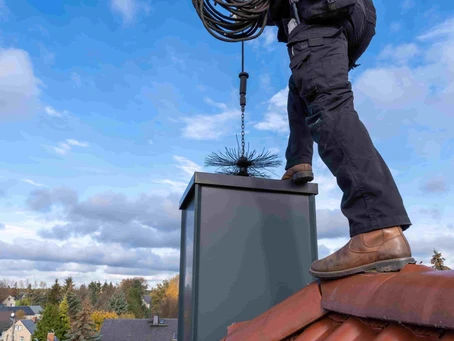
You must know about chimney maintenance if you own and operate any fireplace in Tennesee. Like your vehicle, your fireplace and chimney require routine maintenance for efficiency and to extend its lifespan. Failure to consider this may put your family at risk and lead to unnecessary expenses. Below Chim Chimney provides some important chimney maintenance tips you should know.
How Frequently Should You Maintain Your Chimney Systems?
It would be best to inspect your chimney flue at least once a year, and sweep if necessary. This is the minimum recommendation for proper upkeep. You can do this as often as possible, depending on your convenience or how frequently you use your chimney.
How To Identify That You Should Consider Chimney Care
Specific factors can help you determine whether you should sweep and inspect your chimney. You should know about these warning signs. Otherwise, you’ll be putting your family at risk of fires or carbon monoxide entry.
Some of these signs are as follows:
- Odors: This includes detecting the smell of burning wood coming from the fireplace even when it’s not lit
- Odd fire burns: When you light a fire in your fireplace, you usually notice that it doesn’t burn as well as it used to when new.
- Taking more effort to keep your fire going: Lighting fire in a clogged chimney takes more time since it restricts airflow. Fire requires oxygen to burn.
- Damp and black fireplace: When you notice a black and damp fireplace, it indicates creosote buildup. Creosote is a buildup of flaky and soft soot. It condenses to a hard, shiny substance that clings to the chimney surface in its advanced stages.
- Oily marks on the fireplace walls: The presence of oily marks on the fireplace walls also shows that there’s creosote present.
- Presence of animals: If you hear animal noises coming from the chimney or see bird nests, it means that your chimney has a damaged or missing a chimney cap. You’ll most likely find birds and squirrels, the most common culprits in chimneys.
- Moisture: A musty odor around a fireplace can indicate moisture intrusion. Other moisture signs are darkening of the walls due to moisture presence or white milky residue on the fireplace walls call efflorescence.
Tips for Chimney Care
Now that you understand some of the signs that prove your chimney needs an inspection annually, here are some of the tips for chimney care you should factor in:
Inspect You Chimney Annually
It is recommended by the Chimney Safety Institute of America to have your chimney inspected annually and swept if needed. Even an unused fireplace is important to inspect for possible animal infestation or damage causing water intrusion.
Look Out for Cracks
Cracked chimney bricks may lead to water leakage and damage. Repairing water damage alone can be expensive. Therefore, if you find this kind of damage, it’s best to hire a repair company to handle the problem.
Fix Your Stinky Chimney With Common Household Items
If you find a foul odor from your fireplace, creosote deposits are more likely to cause the problem. In that case, you can use baking soda, vinegar or commercial chimney deodorant to help subside the smell until you have the fireplace inspected professionally.
Waterproof the Chimney
Waterproofing your chimney is a smart way to avoid any water damage. It is recommended to waterproof yor chimney every three years. If you had previously waterproofed your chimney, it’s recommendable to check whether it’s compromised and repair it as soon as possible.
Keep Your Family Safe by Maintaining Your Chimney
You need to keep your chimney in its best condition to keep your family safe and avoid issues that may result from poor conditions. inspecting the chimney regularly and undertaking necessary maintenance measures will help keep the chimney in prime condition.
By considering the many tips provided in this post, you’ll be in a better position to guarantee the efficiency and safety needed while using your fireplace.
When you’re looking for a reliable chimney inspection, chimney repairs, and other maintenance services in Tennesee, look no further than,
Chim Chimney Inc.
Contact us if you have any questions, or call us at 615-364-8987 to schedule a service!
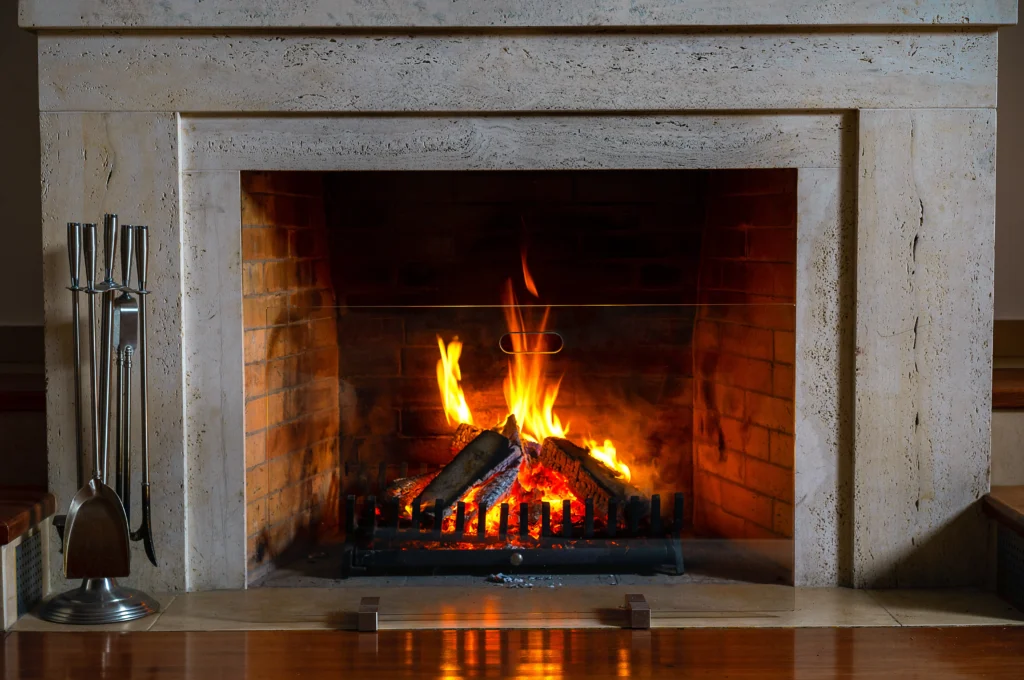
Cheer up your dreary winter days or a stormy start to spring by snuggling up next to a warm, crackling fire in your home’s fireplace. With the right fuel and chimney maintenance, a fire is an efficient, safe, and cozy way to stay warm around Nashville.
At Chim Chimney, we’ve been providing Nashville-area homes with reliable chimney repairs and maintenance so you can start a fire anytime without worrying about creosote or disrepair. We’ve collected some of our top tips for building a fire in a fireplace. Let’s get started!
Fireplace Fires Start With Safety
Safety is the most important thing to keep in mind—before, during, and after starting a fire. Before your next evening in, schedule a chimney sweeping and inspection appointment. These services remove old creosote and soot buildup, ensure your chimney is in good condition for starting a fire, and give you peace of mind. The team at Chim Chimney specializes in quick and comprehensive chimney inspections. We also provide sweepings, maintenance, and repairs to prepare your chimney.
We recommend checking over the area before you light a fire. Remove anything flammable or sensitive to heat that’s near the fireplace. You might also put up a guard or barrier if you have pets or small children.
Choose the Right Fireplace Wood
The wood you use to create your fire makes all the difference in how to build a fire in a fireplace. Opt for safe hardwoods that have been thoroughly dried. Greenwood is still wet and will produce much more smoke. Some wood, such as plywood scraps, pallets, or Christmas trees, have chemical coatings that make them unsafe to burn. Look for maple, oak, or fruit tree wood sold in stores or dried by neighbors looking to share extra firewood they don’t need.
Choosing the right kindling can make your next fire less frustrating. To start the fire, use small pieces of dried pine or other softwoods as kindling. You can place the kindling for a bottom-up or top-down fire depending on your preferences. Place crumpled newspaper or other safe tinder methods for an even easier start. If you buy fireplace logs from a store, they often include kindling and tinder in the package.
Arrange the Logs
The trickiest part of stacking logs is creating a stable structure with enough space for air circulation. Use bigger logs to form a base (with plenty of space between them). Then stack smaller logs on top at a 90° angle to create a top layer. The logs should overlap but still have plenty of breathing room, so the fire doesn’t extinguish itself too early.
What to Avoid When Starting a Fire
There are some important safety dos and don’ts to keep in mind when learning how to build a fire in a fireplace. Here are our top tips on what to avoid:
- Avoid chemically treated and wet wood so you can enjoy your fire without excess smoke and chemicals in the air.
- Don’t start one without a fire extinguisher. Most homes have a fire extinguisher, but they could be old or hidden away. Double-check the date and make sure it’s accessible.
- Don’t leave the fire unattended. Unwatched fires can act unpredictably. Someone should stay in the room while the fireplace is lit. Also, ensure you have supplies ready to extinguish the fire before leaving your home or going to bed for the night.
Stay Warm This Season With Chim Chimney’s Reliable Chimney Maintenance
Taking the right steps to protect your home and chimney is easy with our comprehensive inspection and maintenance services. We serve homes within Nashville and have years of experience ensuring that chimneys and fireplaces are in the right condition for a toasty fire. Now that you know how to start a fire in a fireplace, contact us today to learn more or to schedule a servicing appointment.
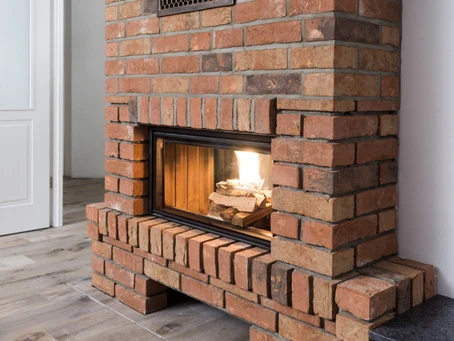
Chimneys are ventilation systems built into our homes to regulate heat from fireplaces, stoves, and furnaces. Chimney dampers are devices attached to and seal off your flue when not in use. It controls the airflow in your fireplace and can be opened or closed to regulate the air going through the firebox, ensuring that smoke is properly released from the chimney instead of entering the home.
Chimney dampers play an important role in helping to keep cold air out and warm air in and preventing heated smoke from escaping up the chimney and into the environment. Here’s what you need to know about chimneys, dampers, and their benefits.
What Is a Chimney Damper?
A chimney damper controls how air and smoke move through your flue and escape through the top of the chimney. It sits at the top of the firebox before the flue starts. In the open position, a chimney damper allows exhaust to flow freely through the chimney. But a closed damper seals the flue shut, ensuring air can’t flow between the fireplace and the flue.
By controlling how open, the chimney damper is, homeowners can control the start and maintenance of a cozy fire. Homeowners can also close the damper when the fireplace isn’t in use, so cold air can’t sink into the house. It’s a manual mechanism that users can open or close as needed, and the damper itself is a metal disc that moves to seal or open the passageway between the flue and the firebox.
Does My Chimney Have a Fireplace Damper?
Fireplace dampers are an essential component in most fireplaces. They provide safety by allowing users to control the movement of exhaust and help in home maintenance by sealing the home from any contaminants, rain, or cold air that might otherwise get inside the home. However, not all fireplaces have them.
You can visually inspect your chimney to determine if you have a damper and what position the damper is in. Look for a metal plate. If you can see it and it’s obstructing your view of the chimney beyond, you have a damper that’s sitting in the closed position.
You can also look for the damper handle. In a wood stove, the handle sits at the base of the flue; it may have either a latch or a rotary screw mechanism. The handle is typically a chain if you have a traditional chimney.
Types of Fireplace Dampers
Every chimney is different, and the damper may have different mechanisms, parts, or even placement. Two of the most common types of fireplace dampers are:
- Throat dampers: Sit at the throat of the chimney or the transition between the firebox and the flue.
- Top-sealing dampers: These dampers sit at the top of the chimney. Along with controlling airflow and exhaust when a fire is lit, a top-sealing damper keeps hot air from escaping the home during the winter and stops rain, pests, and debris from getting inside.
Your damper may have different mechanisms for opening and closing the plate, including a chain (for top-sealing dampers) and a rotary screw or latch (for throat dampers).
How to Be Sure the Fireplace Damper Is Open
Before you light a fire, it’s important to be sure the damper is open. Not only can the flow of oxygen help start the fire, but it ensures exhaust and potentially hazardous gas by-products exit the home as cleanly as possible. You can check the damper with these methods:
- Peer through the chimney (if you have a throat damper) to ensure you can see the flue beyond the plate.
- Feel for a draft, which indicates the damper is open.
- Light a piece of paper on fire; if the smoke disappears up the flue, the damper is open.
Have Issues With Your Damper? Call Chim Chimney
Sometimes, dampers get stuck in a closed position or damaged over time. Chimney damper repairs are one of the most common repairs needed to get Nashville-area chimneys ready for a cozy winter with safe, easy fires in the fireplace.
If you want to ensure your damper — and your chimney overall — is in great operating condition, contact the experts at Chim Chimney. You can schedule a repair or inspection appointment at any time.
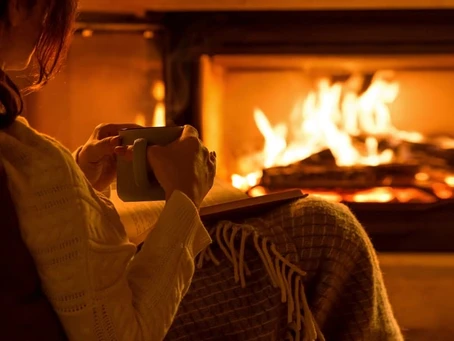
What you burn in your fireplace makes a difference. Just like different woods impart different flavors and levels of smokiness in grills and smokers, different woods in a cozy fire can create vastly different experiences. Keep reading Chim Chimney’s blog to learn more about the best types of wood to burn in your fireplace, wood types to avoid, and how wood affects your chimney.
How Certain Woods Affect Your Chimney and Fireplace
No matter what wood you choose for your fireplace, it’s important to think about the long-term effects the wood can have on your chimney and your health. Some types of wood, especially unseasoned wood, can generate thick layers of creosote in your fireplace and chimney.
Creosote is an extremely flammable byproduct of burning wood. It builds up in your chimney flue, where it may ignite from errant sparks or high temperatures. Regular cleaning appointments and inspections keep your chimney safe and clean. Prevention is key: try to avoid burning freshly cut wood or woods that generate a lot of creosote.
Woods to Avoid Burning
Creosote formation is the top concern when choosing your firewood. But fireplace experts recommend avoiding many types of wood so you can have a fun, safe, and enjoyable fire in the cool evenings. Keep this list of woods that should not be burned in a fireplace readily accessible on your refrigerator or phone so you don’t accidentally use them during the fall and winter:
- Green wood: Not only will it produce a lot of creosote, but it will also create a lot of unpleasant smoke.
- Christmas trees: Dry needles are unpredictable and flammable. The sap inside the tree will also burn, pop, and produce creosote.
- Driftwood: This wood produces dioxin and can drastically reduce air quality in your home.
- Plywood, chipboard, or craft and construction wood: Any leftover wood from a DIY or home improvement store shouldn’t be burned. They’re often treated with toxic chemicals or held together by adhesives that are hazardous when burned.
- Furniture: Similarly, wood from furniture has paint and stain chemicals that are hazardous to breathe in.
- Non-local wood: Rural and forest areas offer a lot of free wood for collection. But bringing wood from more than fifty or so miles away increases the risk of transporting invasive pests. Look for locally available free wood or purchase wood from a trusted source.
It’s also recommended that you avoid cardboard, paper, and unapproved tinder. Light materials that burn easily can generate embers that rise up and cause a chimney fire above your fireplace.
Best Woods for Fireplaces
There are lots of options for safe wood for fireplace fires that you can use to make a pleasant, cozy fire. Choosing properly dried wood is important; it doesn’t generate as much creosote and has manageable smoke levels that keep your home safe (and minimize any lingering smoky smell). Some of the most popular woods for fireplaces are: Wood from your own trees: If you have branches or even a full tree from your backyard, cut and dry out the wood for at least a year to season it. Then you have a ready supply of free firewood that you know the origins of.
- Birch: Birch twigs are a good fire starter. Thicker branches and logs burn easily and produce a clean, clear fire.
- Hickory: Hickory wood creates a pleasantly savory smell. Just make sure the logs are cut to size!
- Apple and pecan trees: Wood from apple and pecan trees produces fires that smell great. Also, because they’re hardwood trees, the wood is easy and safe to burn.
Almost any hardwood or specially formulated fire log can be an excellent choice for a cozy fire at home.
Keep Your Chimney Safe with the Right Wood and Proper Care
Choosing the right woods for a fire helps reduce creosote and the risk of an unwanted fire. Proper maintenance and care from professionals can also help. Schedule an appointment with Chim Chimney for an annual inspection, a cleaning appointment, or help to ensure your fireplace and chimney are safe.
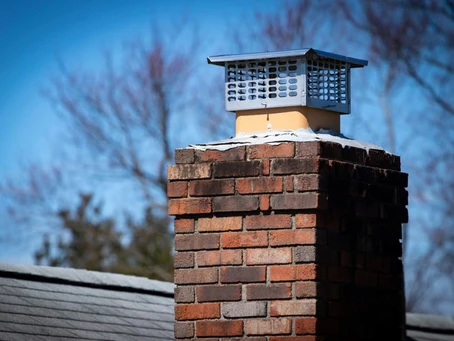
Having an unused chimney can result in moisture and air leakage problems. In addition, it will cost you not only charges from thermal loss but also possible damage to your roofing, walls, and home interiors.
Chimney capping is one of the ways you can deal with the challenges of an unused chimney. You can block the top of your chimney using a flue ventilator or chimney cap with mesh, leaving space for chimney ventilation. Read more to find out how to cap your unused chimney and the benefits!
Should Unused Chimneys Be Capped?
An uncapped chimney can result in blockage leading to poor chimney ventilation, leakages, water collecting from rain and snow, and unwanted birds and insects sheltering inside your chimney stack.
You obviously wouldn’t want to go through all that. That’s why the answer to whether chimneys should be capped remains, ”Yes.” In addition, the continuous icing and thawing of snow can deteriorate the chimney masonry walls and crowns that can lead to cracks, especially during winter.
How Do You Cap An Unused Chimney?
Capping an unused chimney is something you can do yourself if you’re inclined, but it would be best to seek professional services. The most important factor is using a barrier resistant to moisture, keeping pests away, and allowing chimney ventilation. Although some people prefer to use slabs, chimney caps with mesh are the best for capping.
Chimney caps come in different materials, from galvanized steel to stainless steel and copper, depending on the price. If you are on a budget, galvanized steel would be a suitable option because it is cheap. However, you should be cautious that they tend to rust with time, resulting in roof staining.
Therefore, the best option would be stainless steel due to its durability, but its costs are a little higher. On the other hand, copper is the most durable and the best option if you prefer aesthetic value.
One of the easiest ways to install a chimney cap is using a Chimney C Cap, which regulates heat loss. You will only need to push the Chimney C Cap into your chimney pot and secure it using its spring-loaded wires. The assembling and installation process takes less than five minutes to complete.
Another option for capping is using a slab. However, this is not among the best options because of its appearance, costs, and future utility and value. The process is irreversible, and the slab starts to wear off with time, letting water draw back into your chimney stack.
Continuous Chimney Inspections
Chimney inspection should be for both used and unused chimneys and should only be done by a professional. Unused chimneys are prone to blockages caused by pests, leaves, sticks and insects, and birds nesting. Sometimes these birds and animals such as squirrels and raccoons may get stuck and die inside the chimney stack.
A professional chimney sweeper in Nashville will also look out for cracks in your chimney crown. The crown allows chimney ventilation through the flue. A cracked chimney crown may let rainwater into the chimney, resulting in moisture buildup.
The probability of having trapped moisture is still high in unused chimneys. When this moisture infiltrates concrete and bricks, it can wear off the walls. As a result, the chimney will entirely fall, leading to accidents and destruction of other items and properties.
Does a Capped Chimney Need to Be Vented?
Venting a capped chimney is equally important in preventing moisture build-up. Proper chimney ventilation helps keep the chimney dry by driving away any dampness from the stack due to condensation. Therefore, capped chimneys need to be well vented to avoid breeding grounds for future disasters, even if they are unused.
Chimney Maintenance and Repair in Nashville
Capping is undoubtedly the best option when it comes to dealing with your unused chimney. Failure to secure proper chimney ventilation could damage your chimney and roofing.
At Chim Chimney, we are a trained team of professionals dealing with chimney solutions in Nashville. We are experts in chimney installation, capping solutions, cleaning, and repairing services at cost-friendly rates. Contact us today to get a free estimate for chimney capping and cleaning.